Home Security Essentials: A Homeowner's Guide to Locks
Your home is your sanctuary, and physical locks are the primary barrier between your family and the outside world. Understanding the essentials of residential lock systems allows you to make informed decisions and build a robust security foundation.
The Importance of Quality Deadbolts
A standard doorknob lock provides minimal security and can often be bypassed with simple tools or brute force. Every exterior door must have a high-quality deadbolt. When selecting a deadbolt, look for ANSI Grade 1 or Grade 2 ratings, which indicate the lock has been tested for extreme durability and resistance to picking, drilling, and blunt force impacts. Ensure the deadbolt throw extends at least one full inch into the door frame.
Reinforcing the Strike Plate
Even the strongest deadbolt is useless if the door frame splinters under pressure. Most standard strike plates are installed with short half-inch screws that barely grip the door jamb. Replacing these with three-inch heavy-duty screws anchors the strike plate deep into the structural wall stud, massively increasing the door's resistance to kick-in attempts.
Navigating Smart Locks
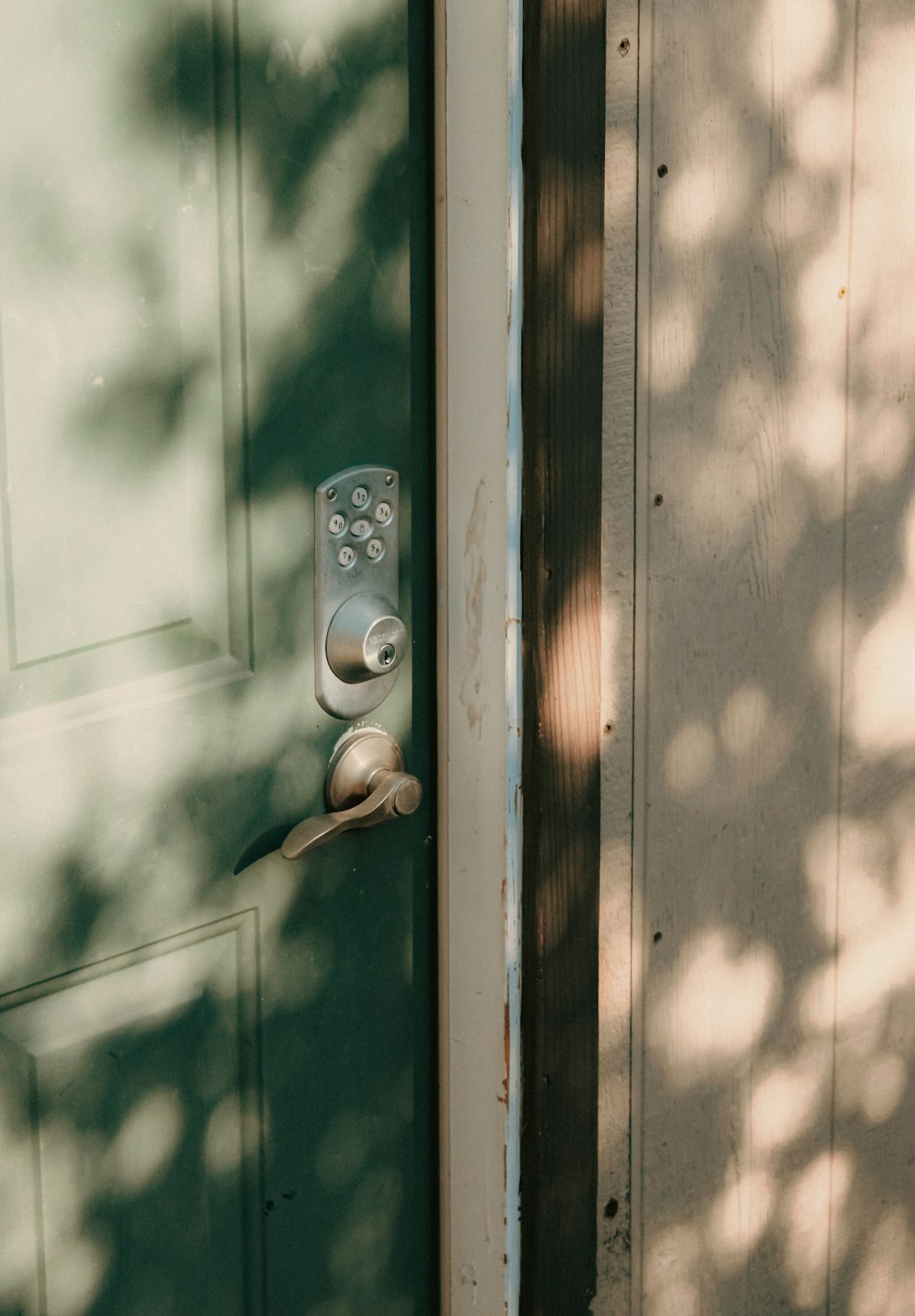
Smart locks offer exceptional convenience, allowing you to unlock doors via smartphone, provide temporary codes for guests, and monitor entry logs. However, smart locks are still mechanical devices at their core. When choosing a smart lock, verify that the physical deadbolt mechanism is highly rated. It is also wise to choose models that retain a traditional key override in case of battery failure or technical glitches.
True home security relies on layers. Combining high-quality deadbolts, reinforced door frames, and smart security habits creates a formidable defense that deters opportunistic intruders and keeps your property safe.